
 back
back
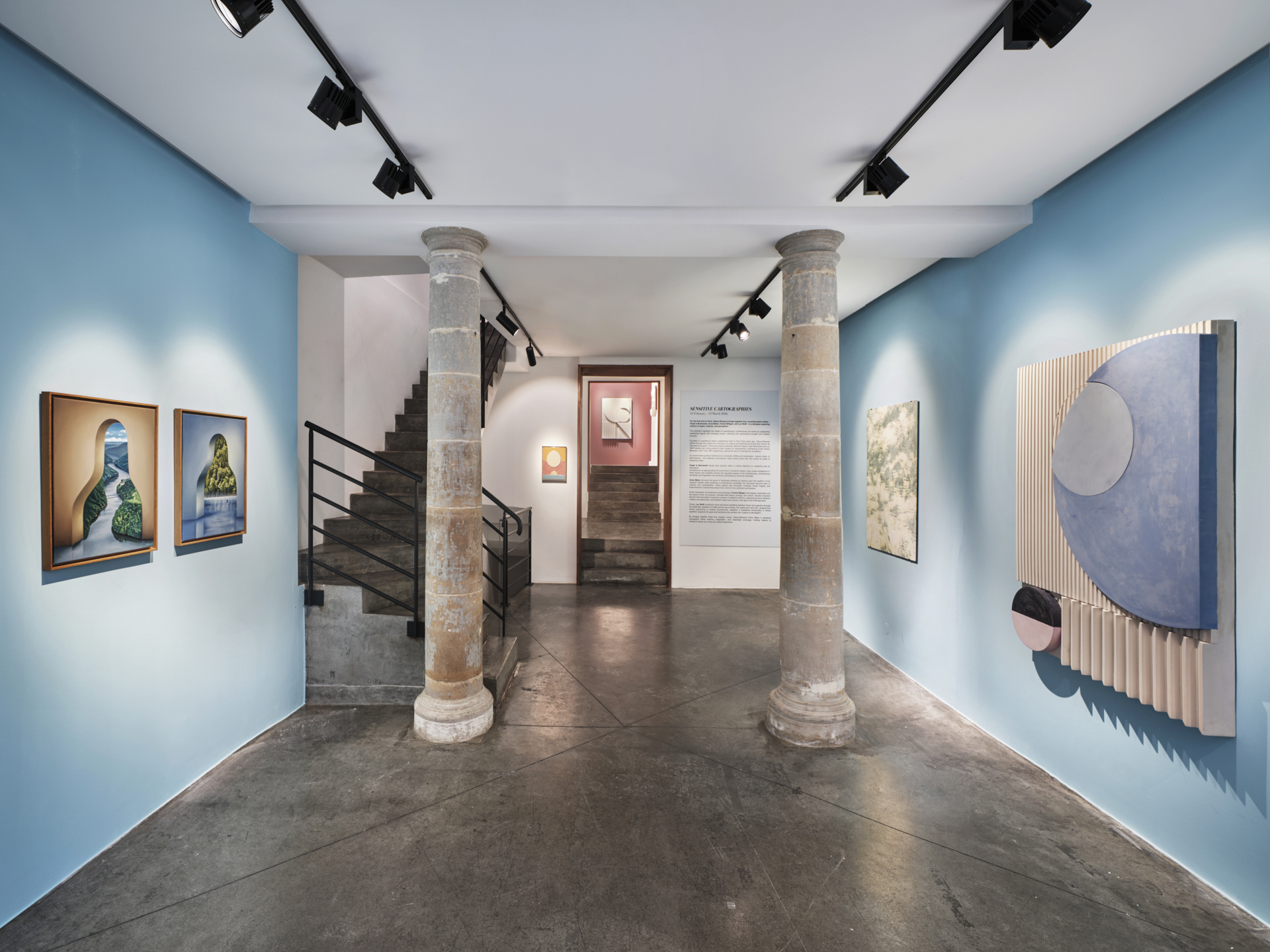
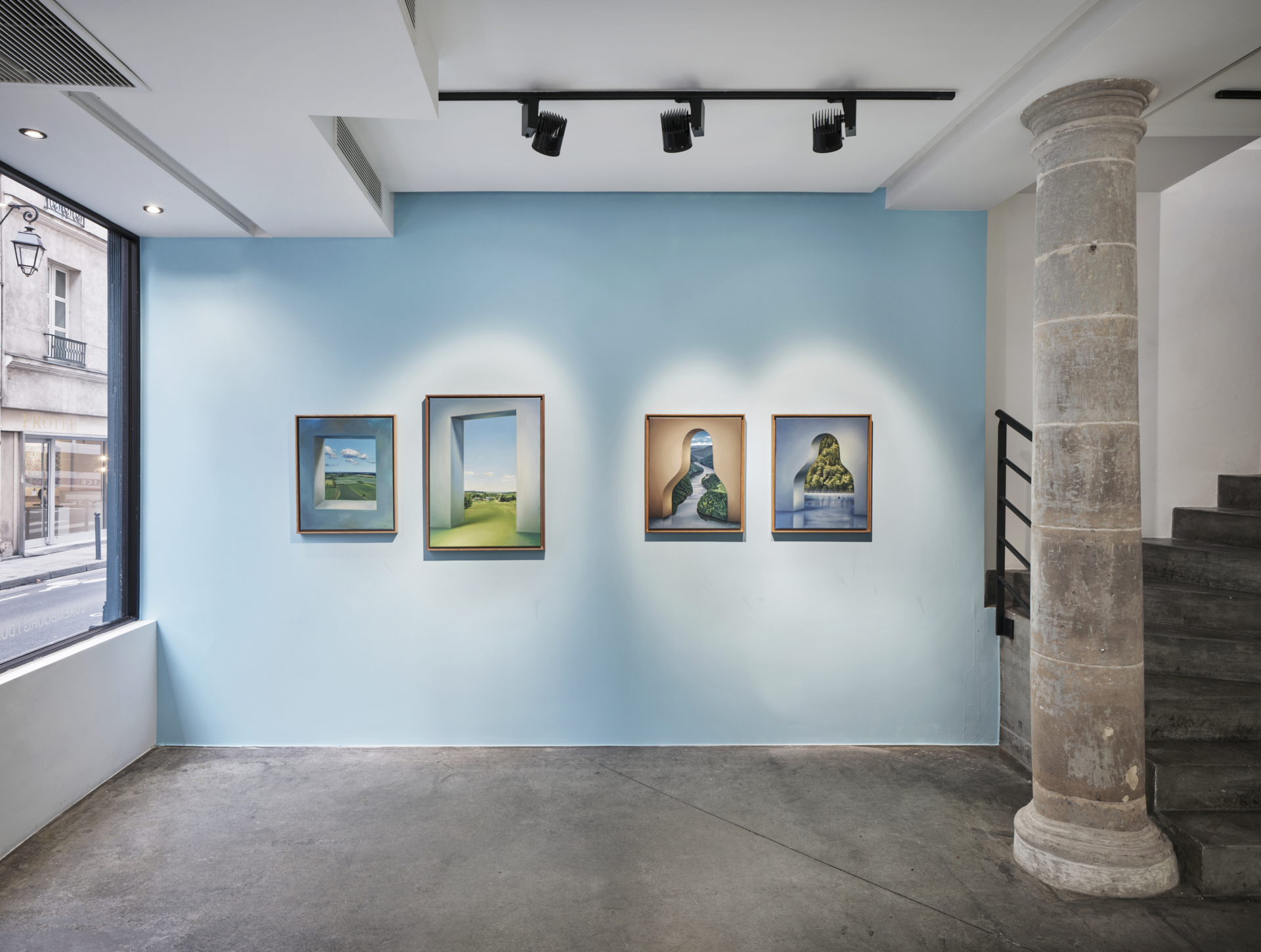
INSTALLATION VIEWS
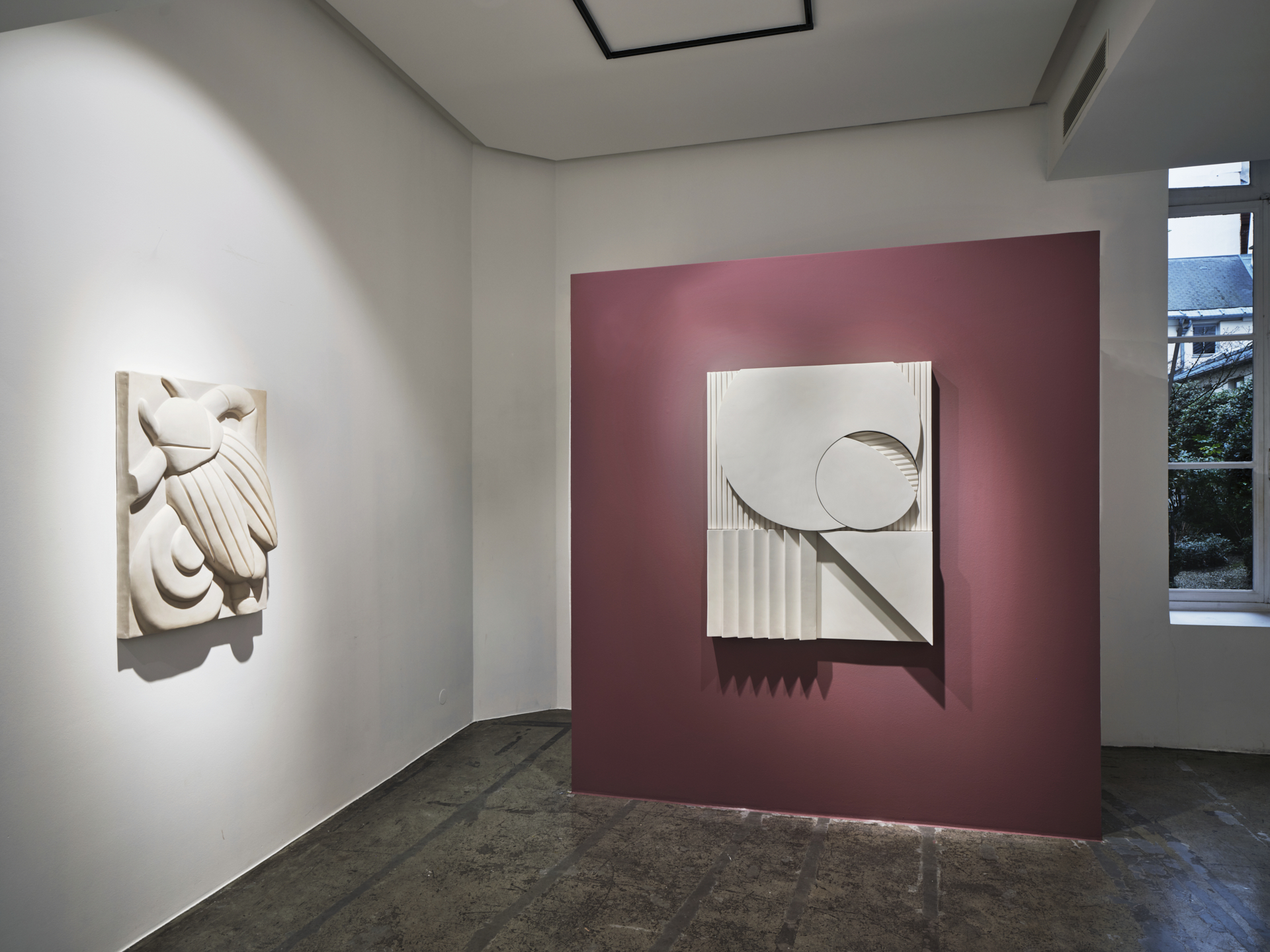
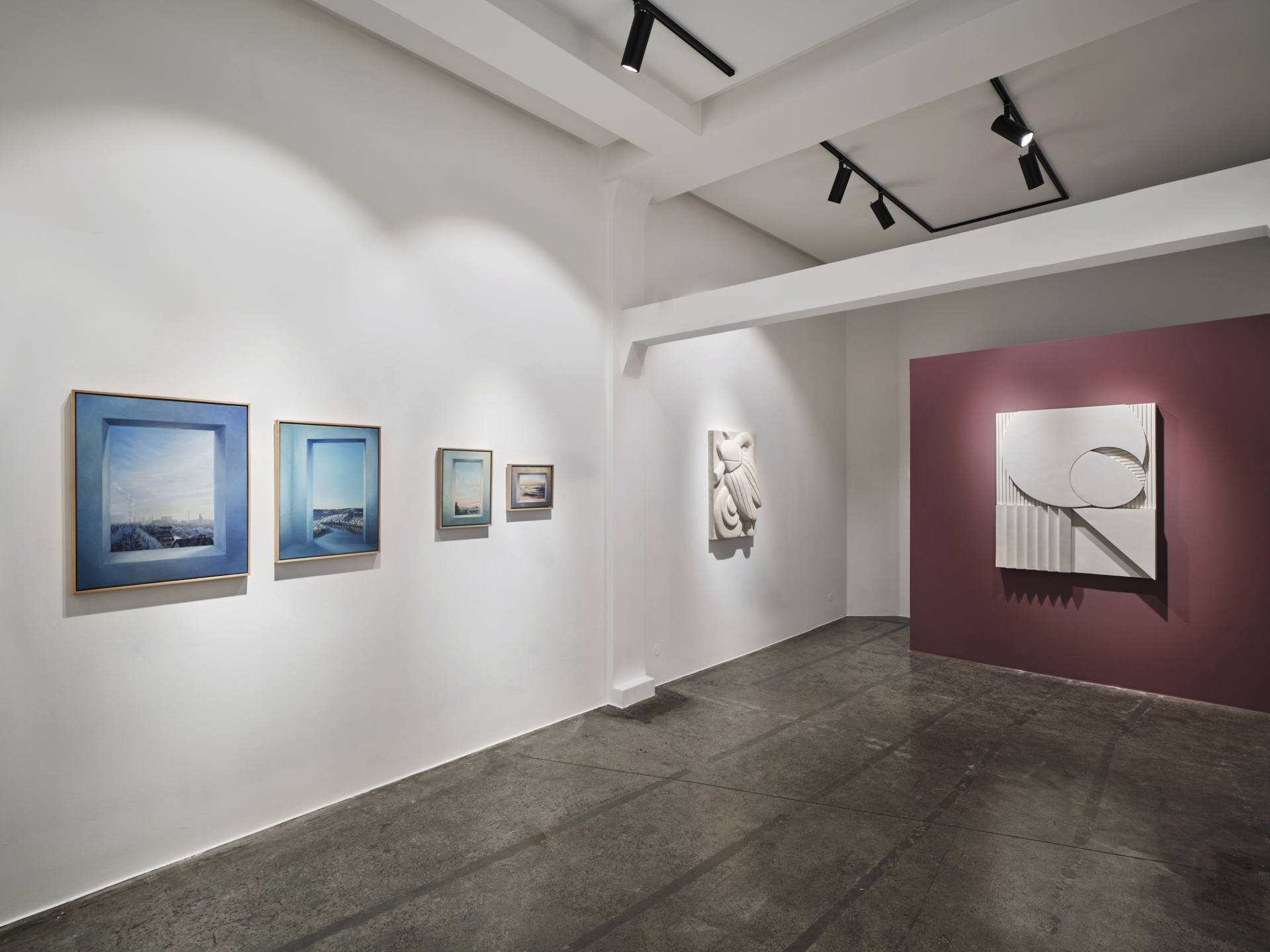
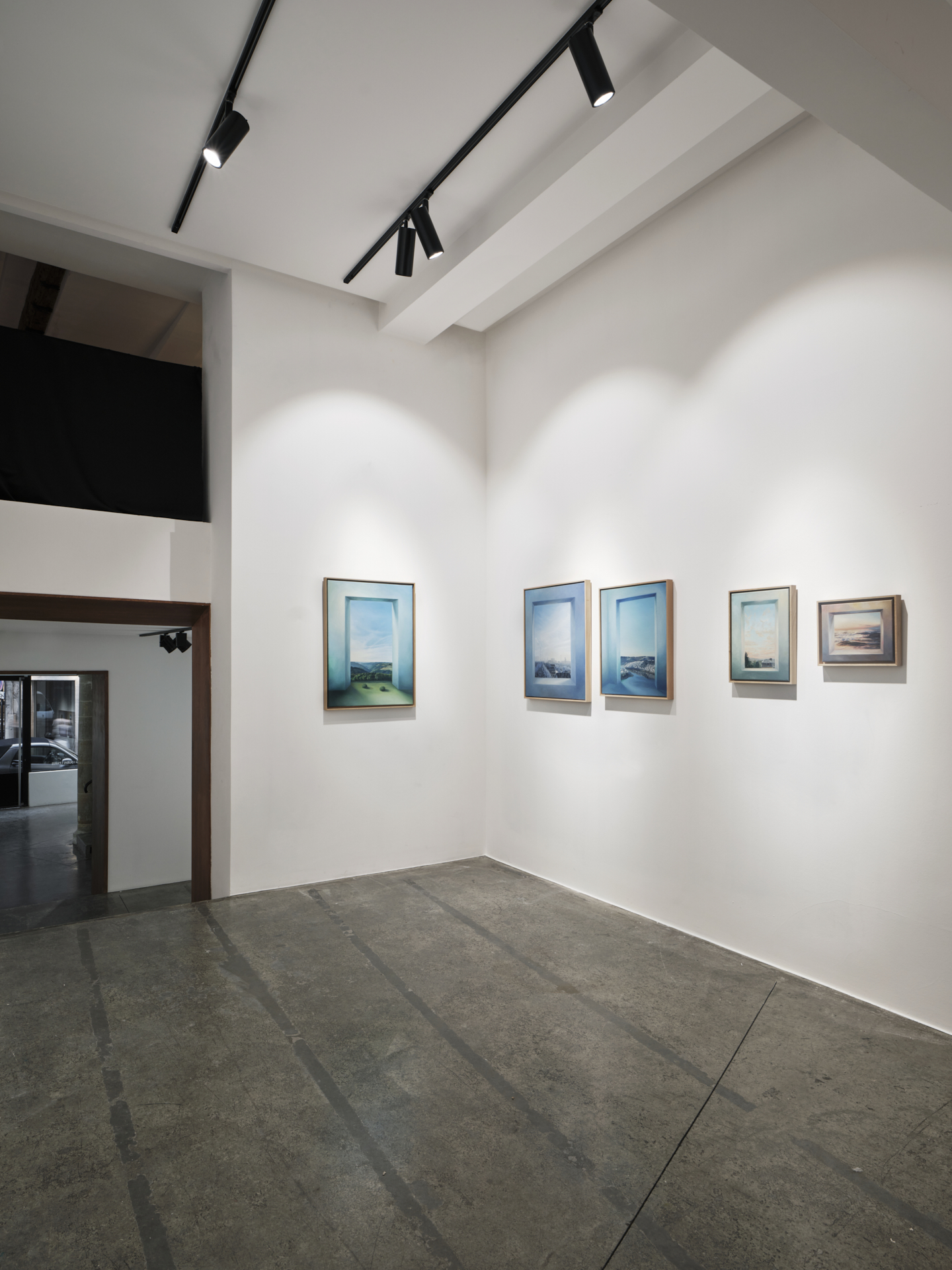
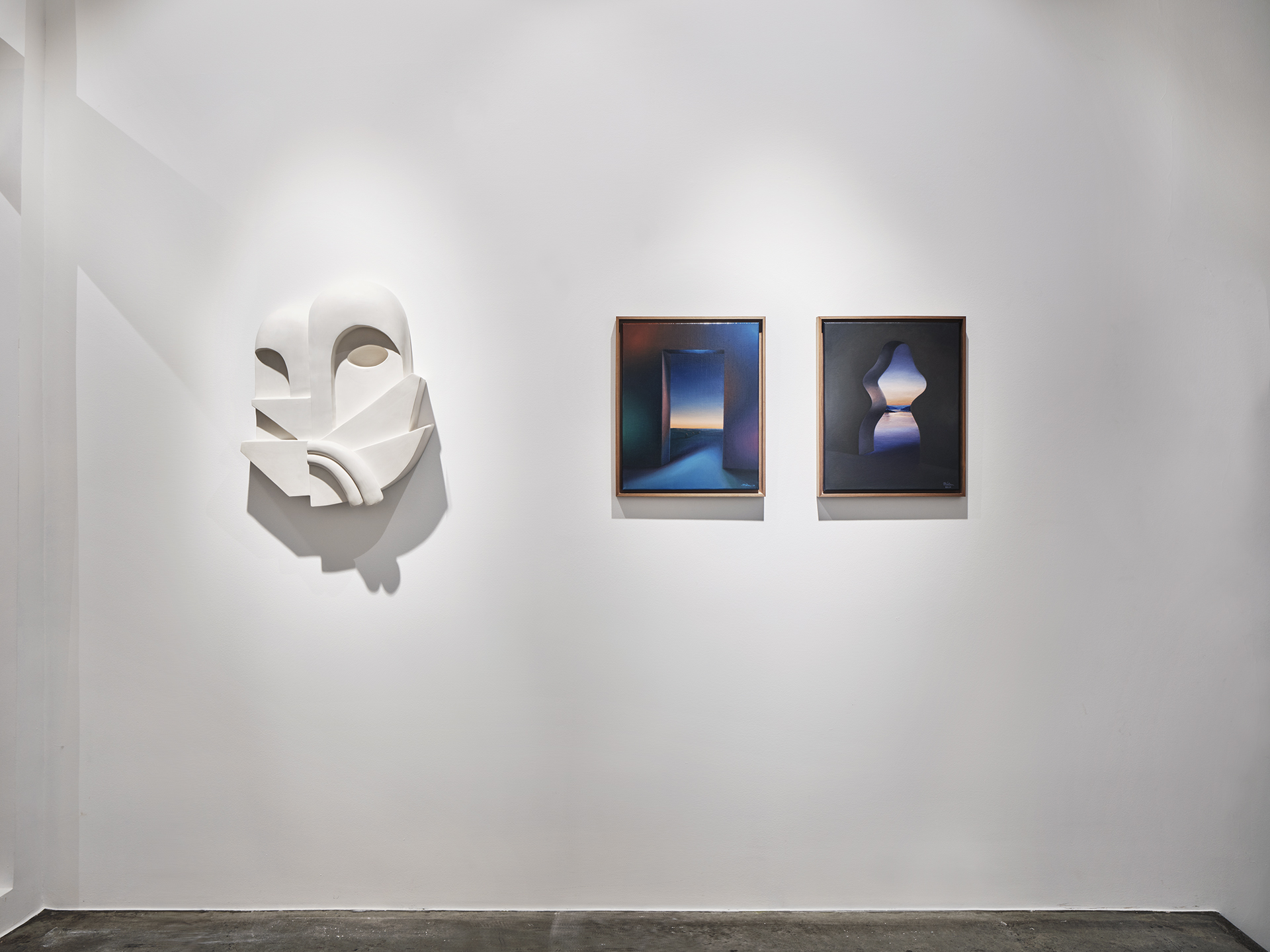
PRESS RELEASE
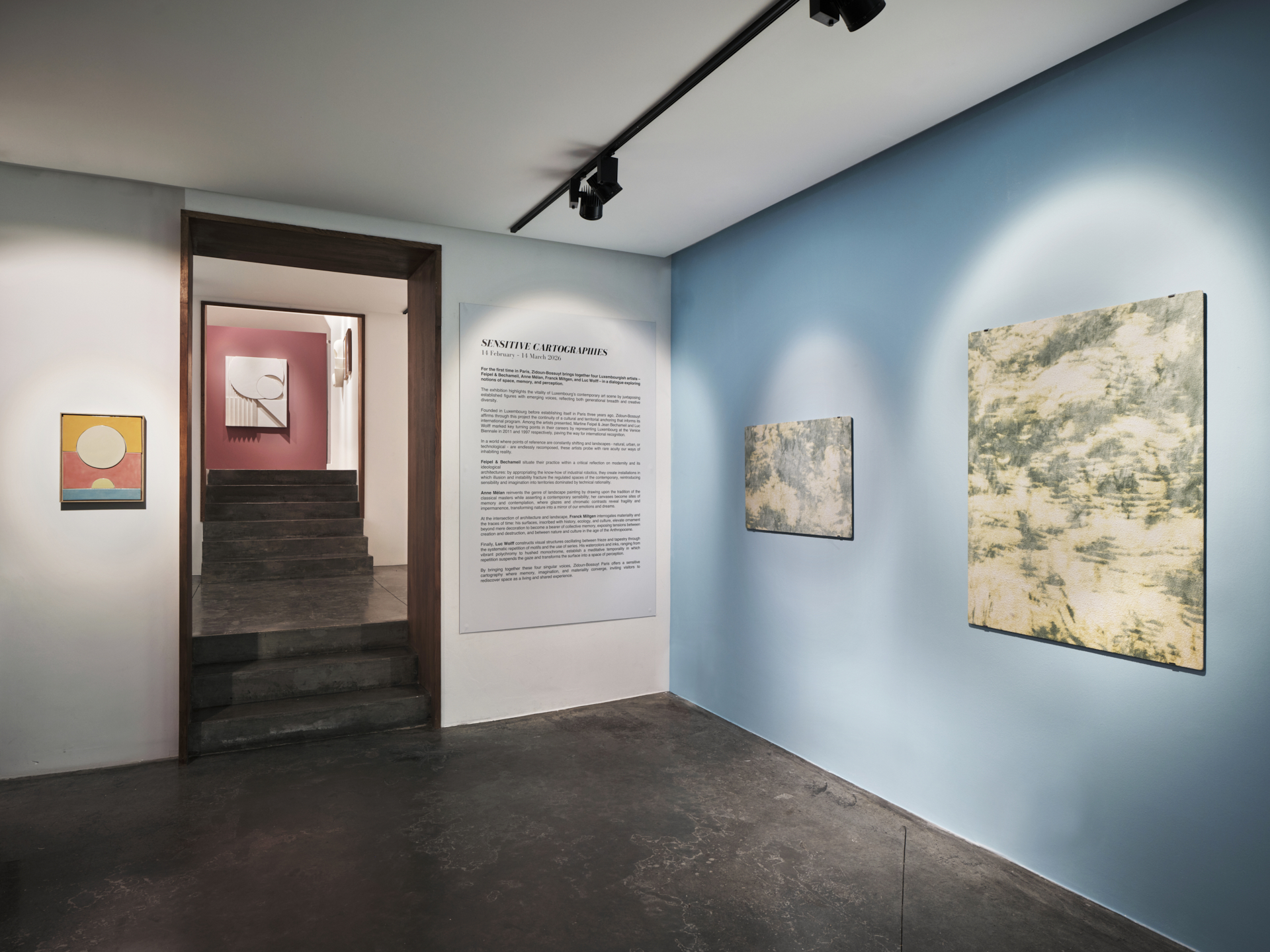
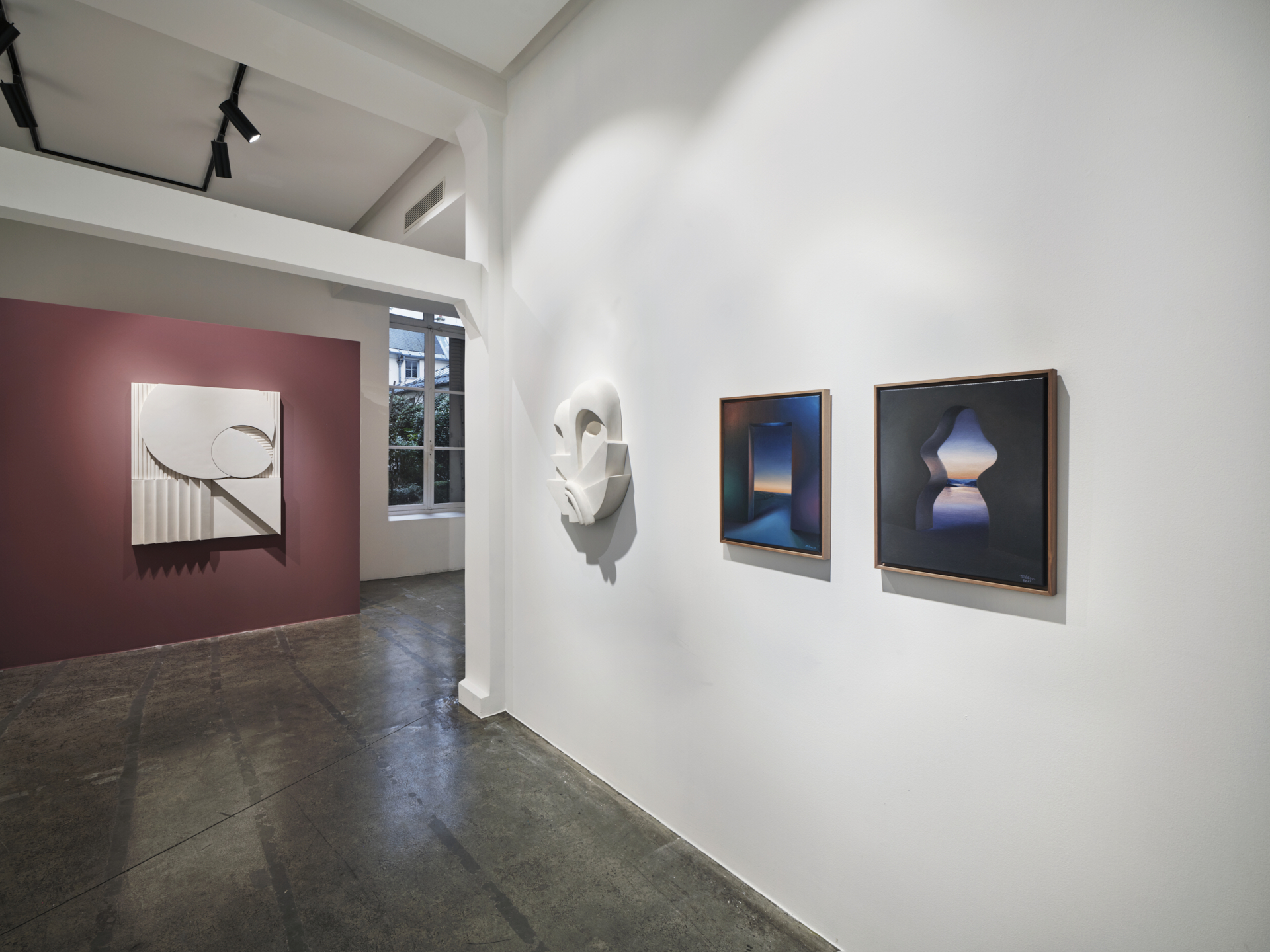
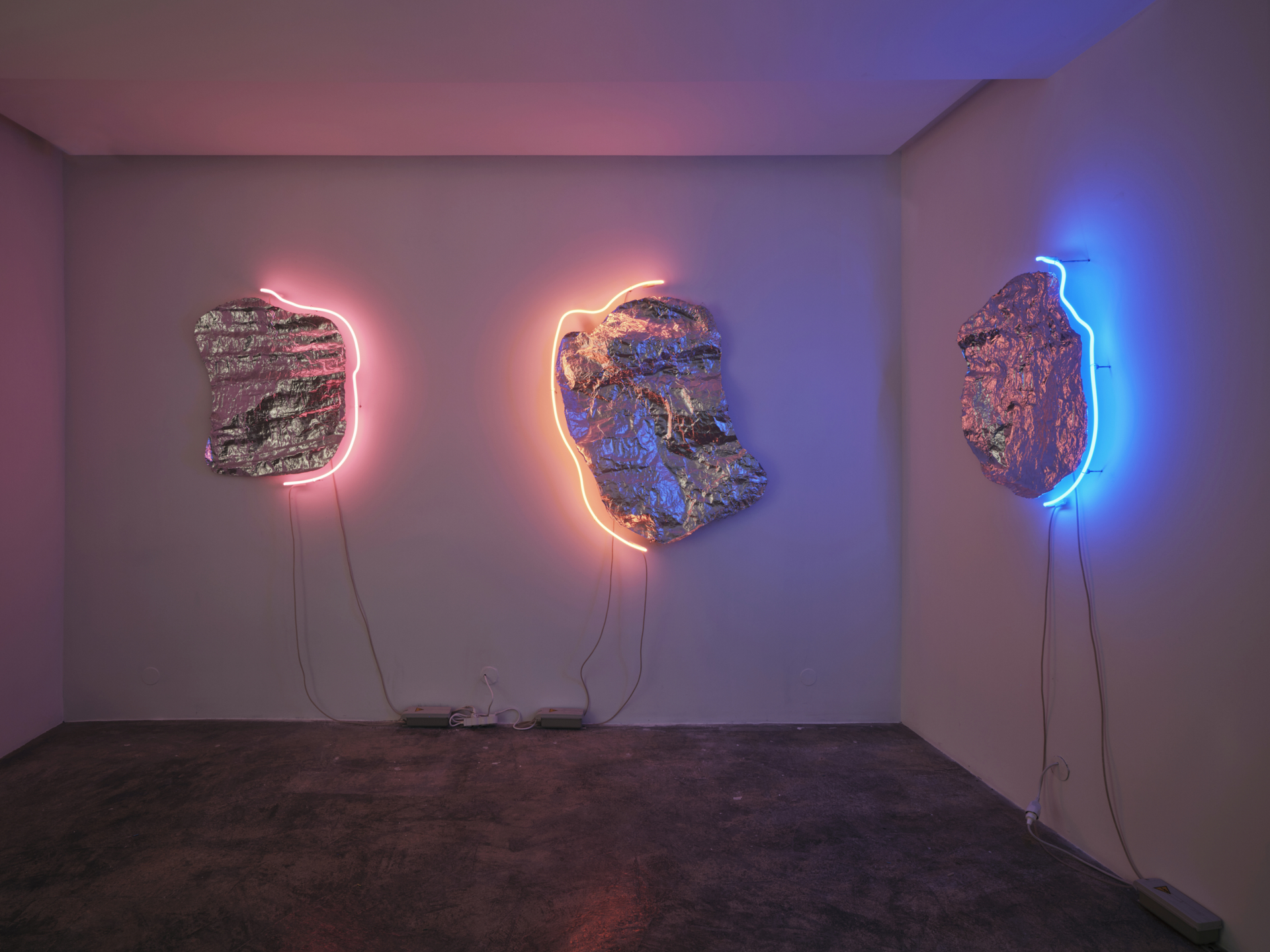
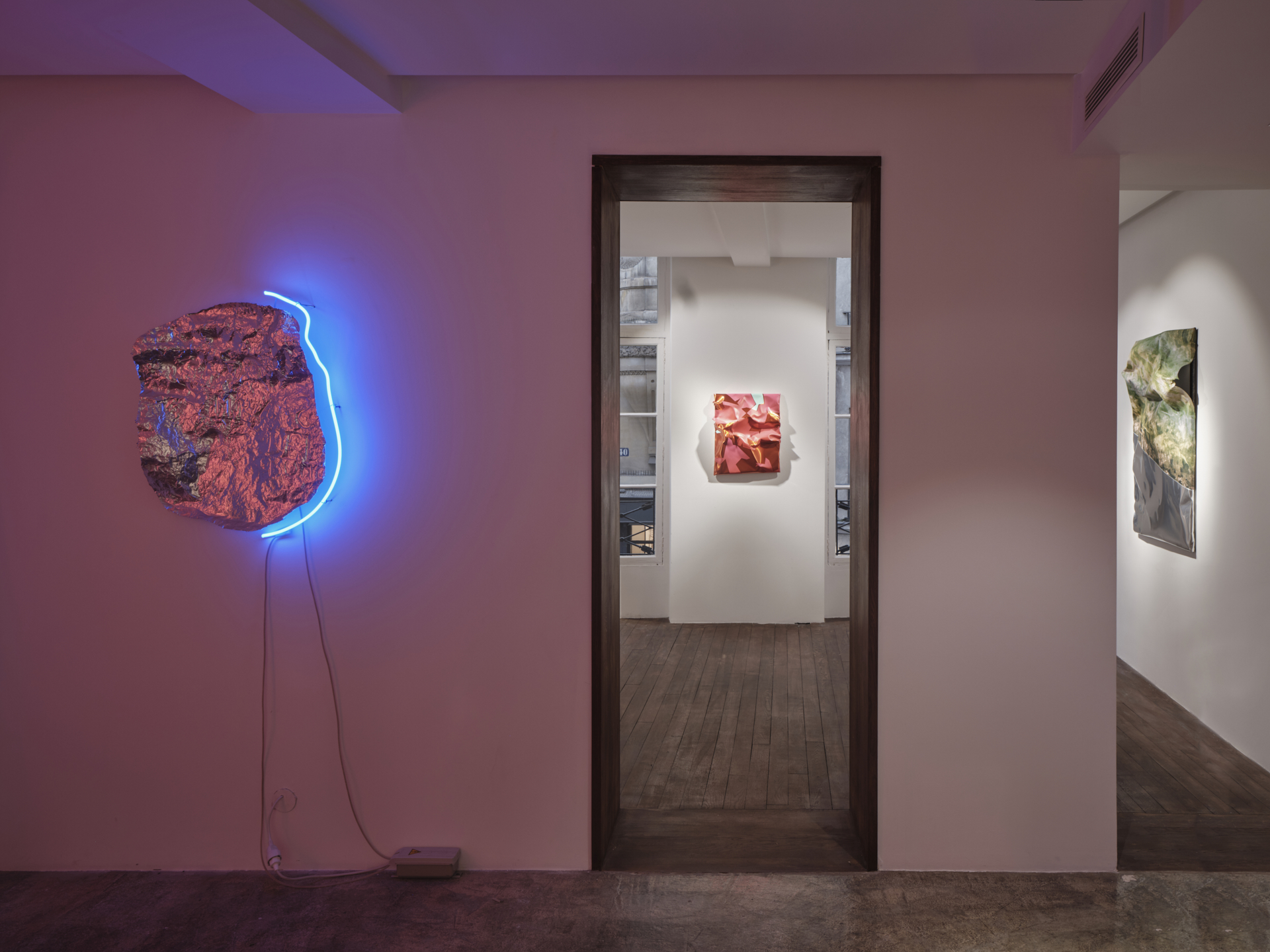
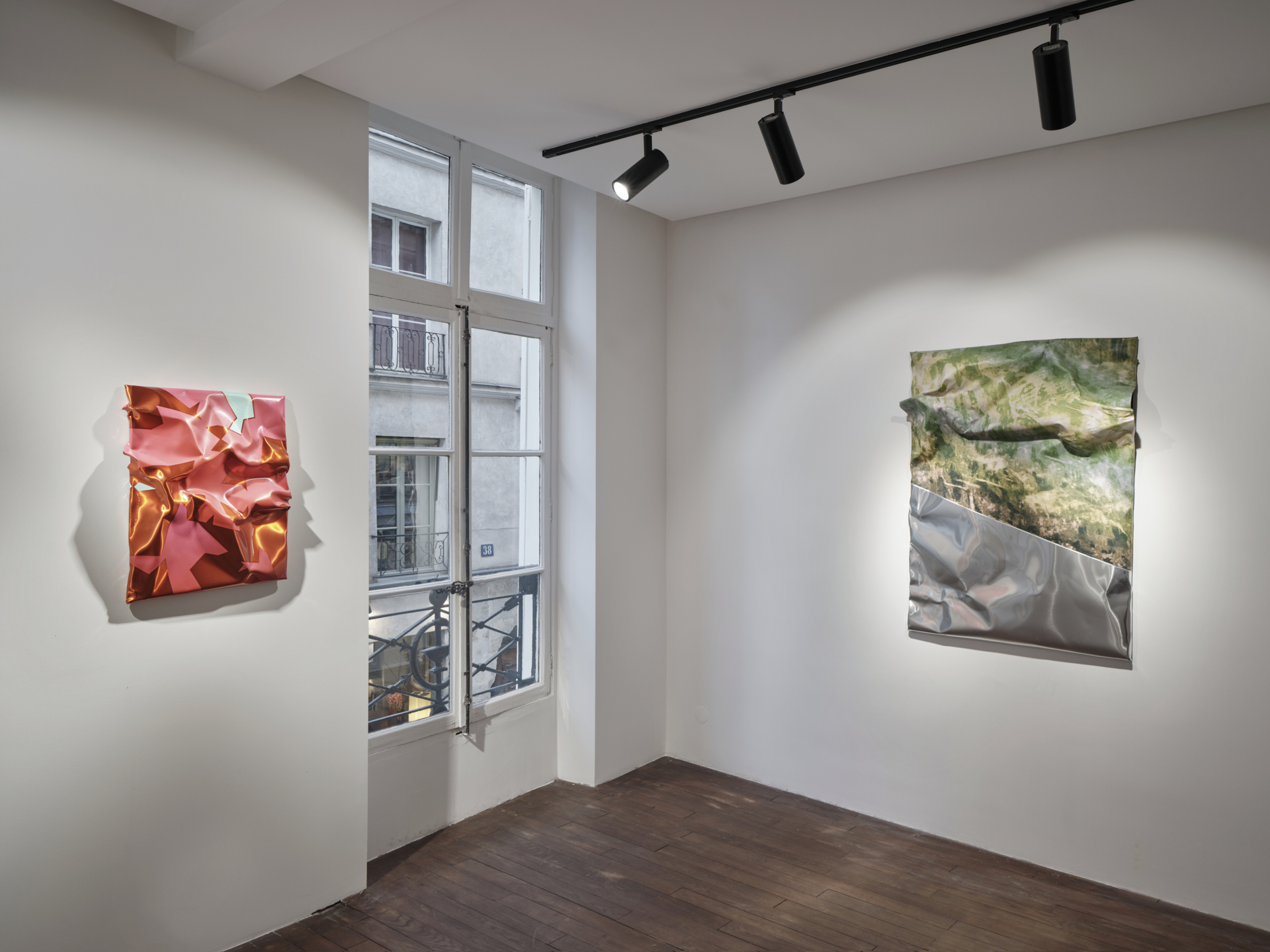
For the first time in Paris, Zidoun-Bossuyt brings together four Luxembourgish artists – Feipel & Bechameil, Anne Mélan, Franck Miltgen, and Luc Wolff – in a dialogue exploring notions of space, memory, and perception.
The exhibition highlights the vitality of Luxembourg’s contemporary art scene by juxtaposing established figures with emerging voices, reflecting both generational breadth and creative diversity.
Founded in Luxembourg before establishing itself in Paris three years ago, Zidoun-Bossuyt affirms through this project the continuity of a cultural and territorial anchoring that informs its international program. Among the artists presented, Martine Feipel & Jean Bechameil and Luc Wolff marked key turning points in their careers by representing Luxembourg at the Venice Biennale in 2011 and 1997 respectively, paving the way for international recognition.
In a world where points of reference are constantly shifting and landscapes – natural, urban, or technological – are endlessly recomposed, these artists probe with rare acuity our ways of inhabiting reality.
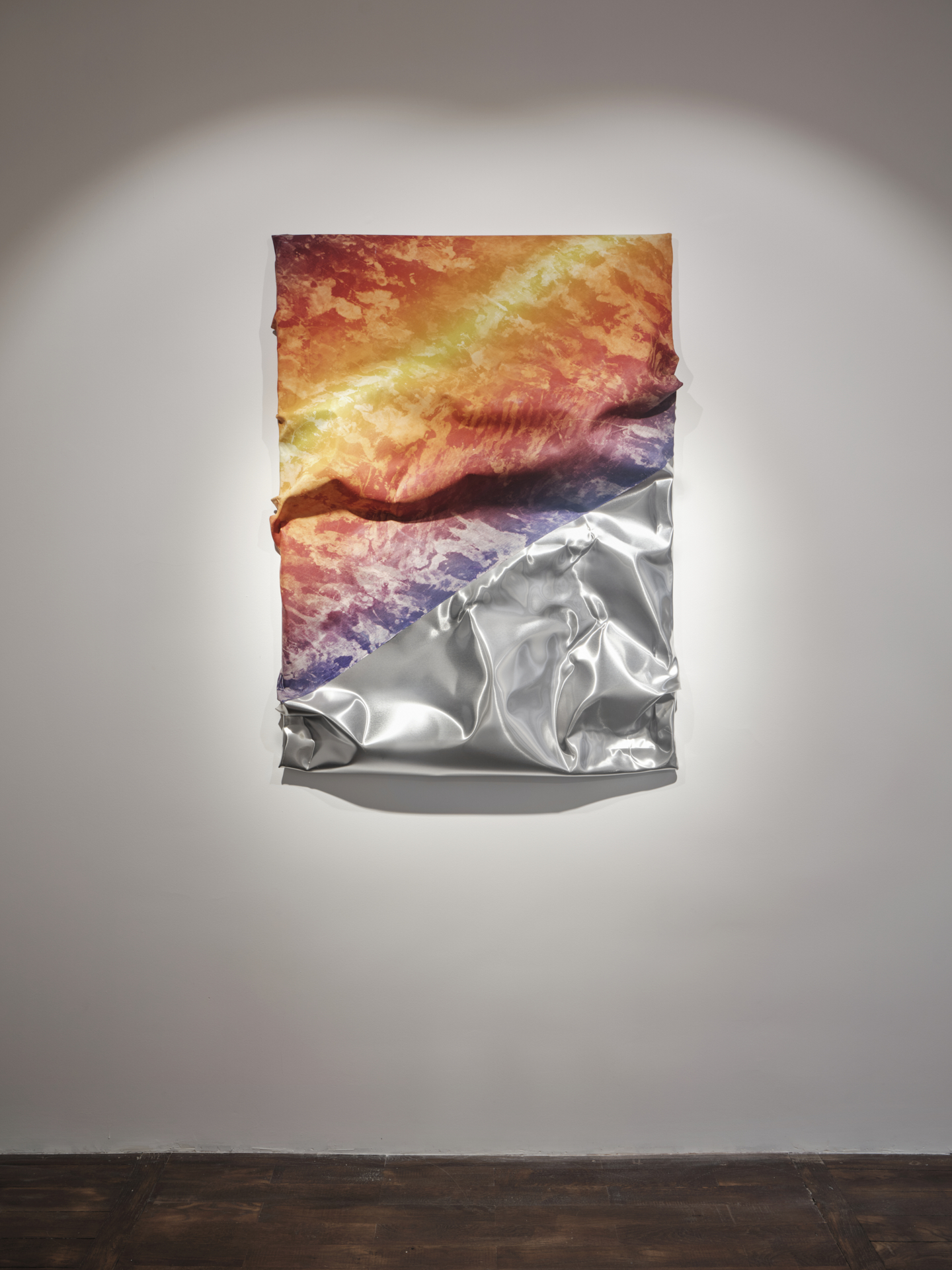
Feipel & Bechameil situate their practice within a critical reflection on modernity and its ideological architectures: by appropriating the know-how of industrial robotics, they create installations in which illusion and instability fracture the regulated spaces of the contemporary, reintroducing sensibility and imagination into territories dominated by technical rationality.
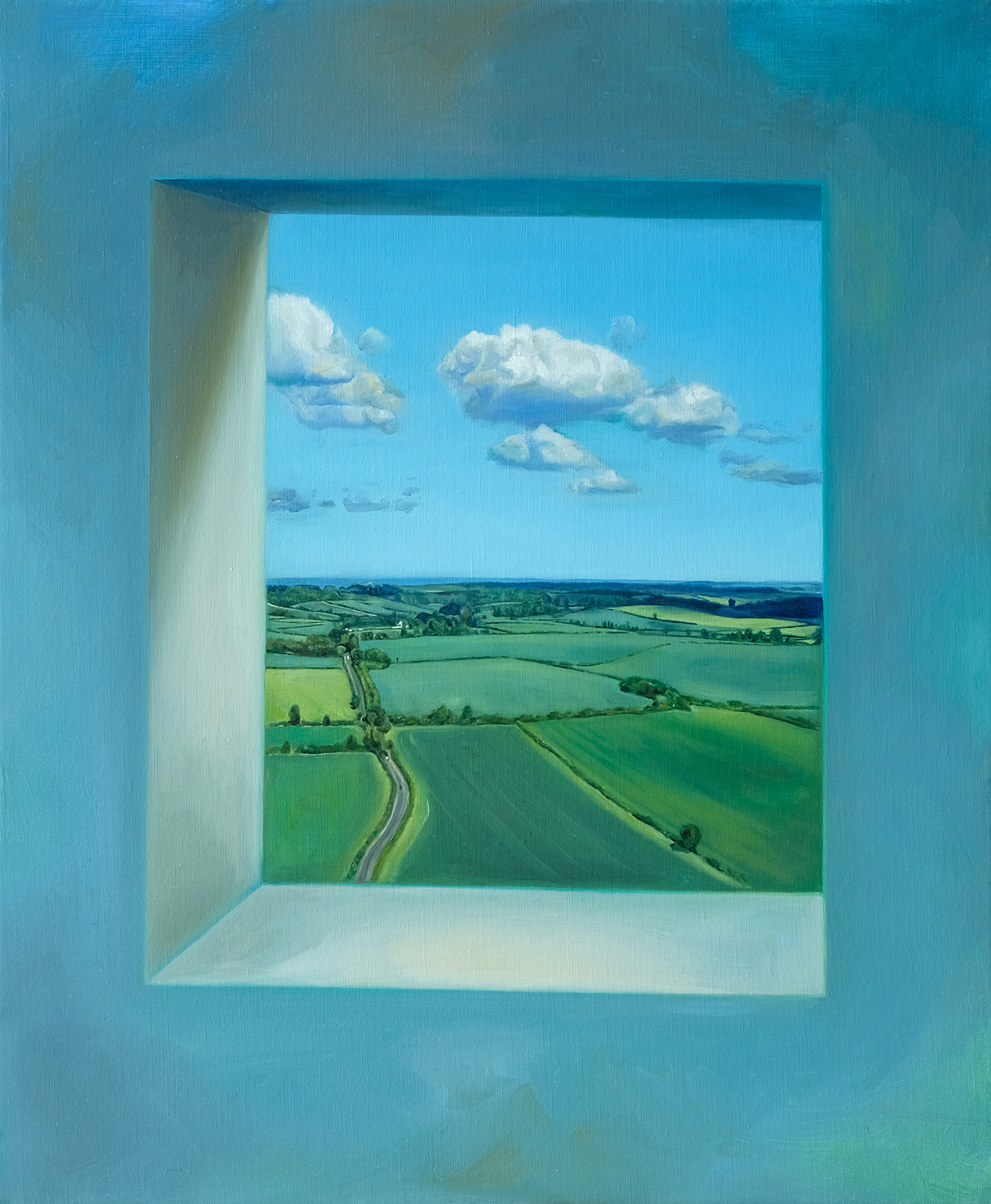
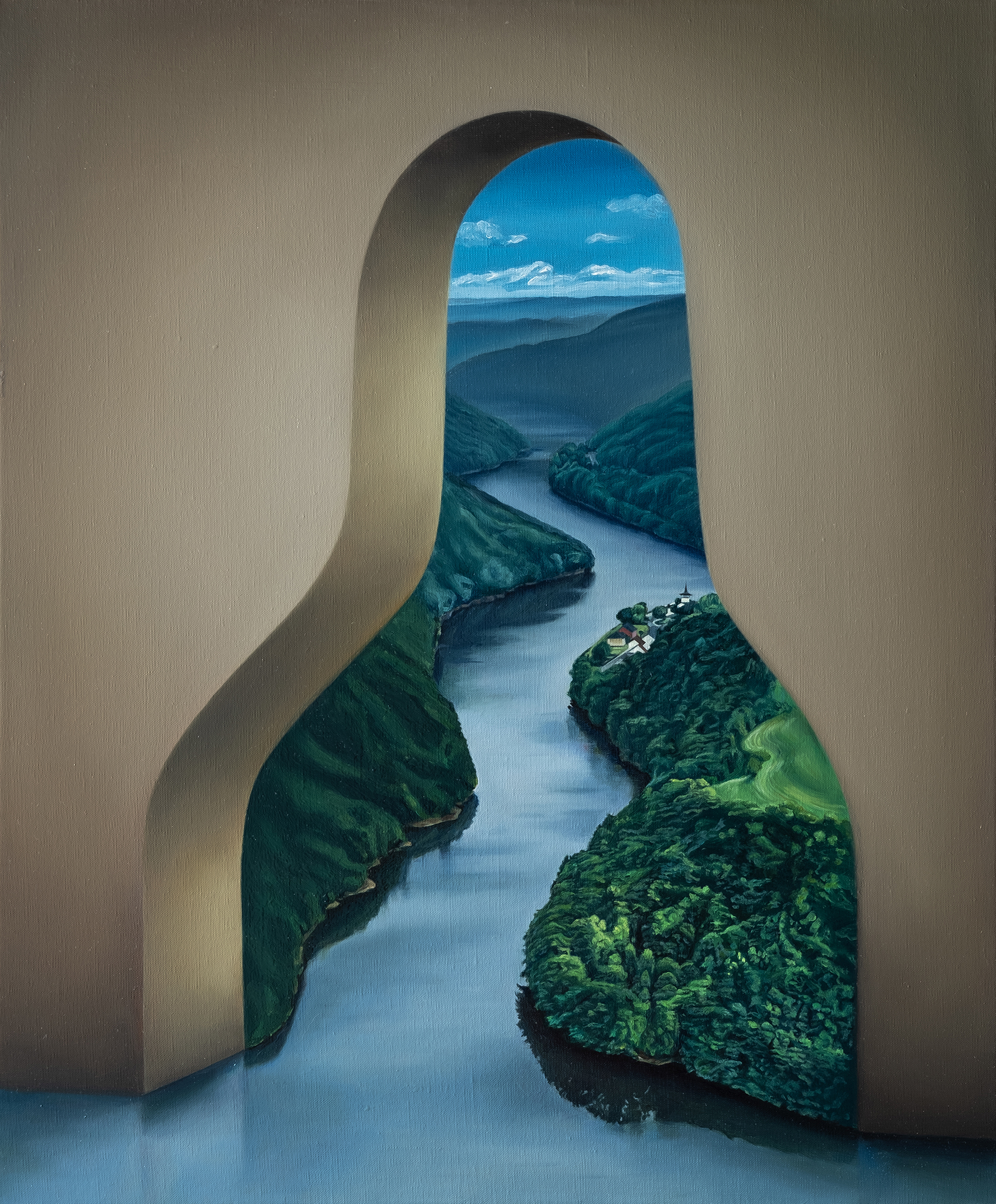
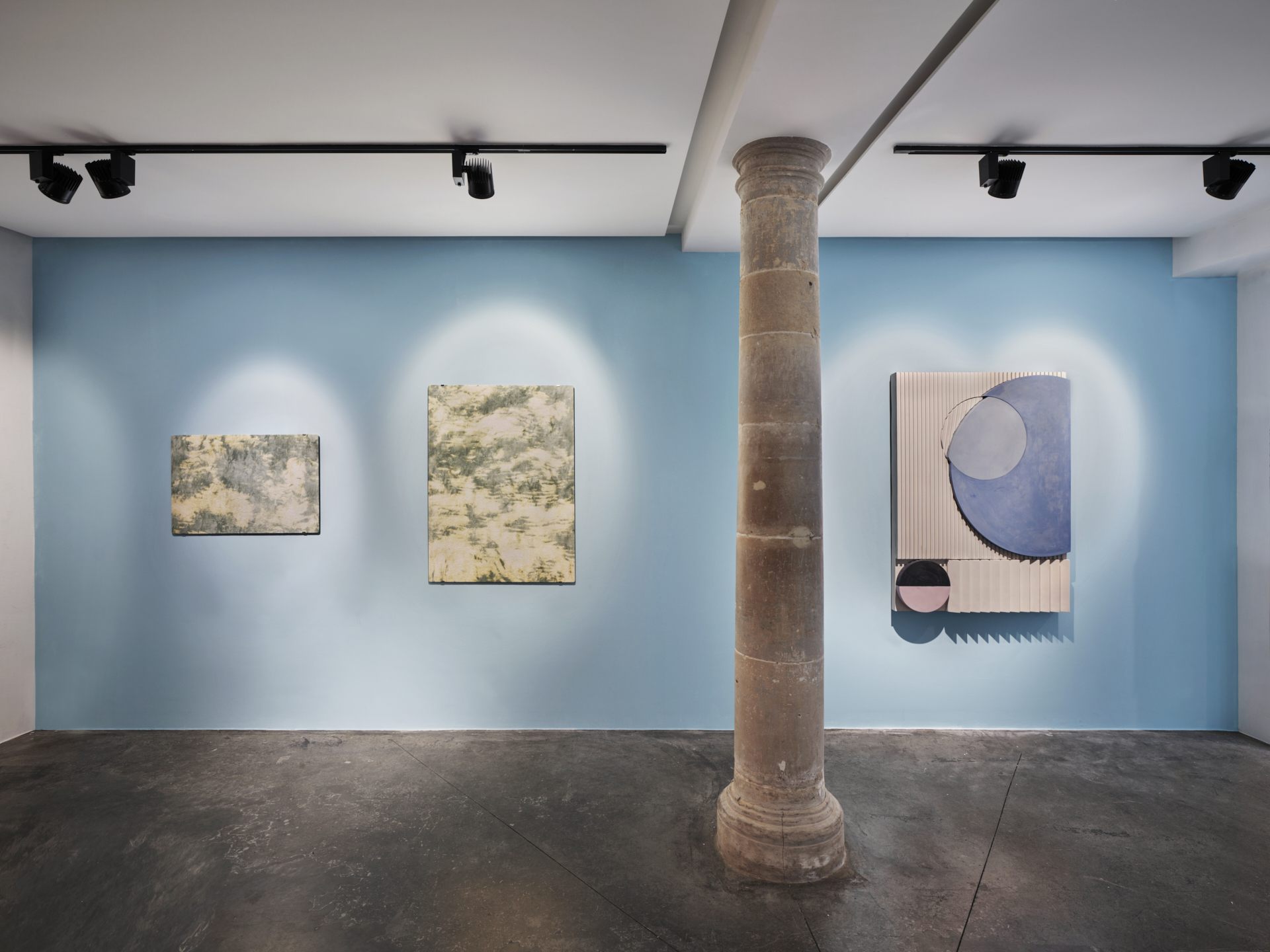
Anne Mélan reinvents the genre of landscape painting by drawing upon the tradition of the classical masters while asserting a contemporary sensibility; her canvases become sites of memory and contemplation, where glazes and chromatic contrasts reveal fragility and impermanence, transforming nature into a mirror of our emotions and dreams.
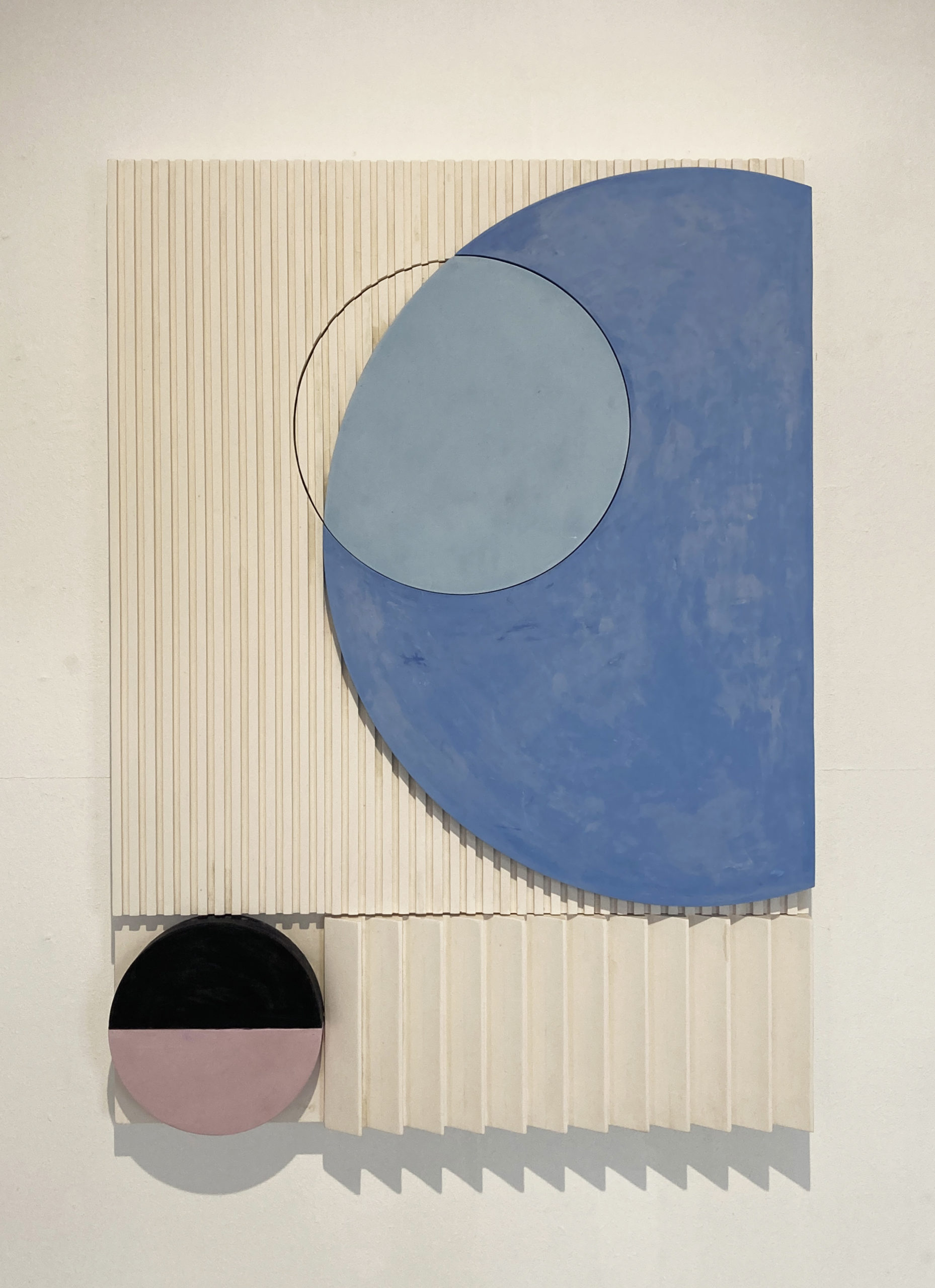
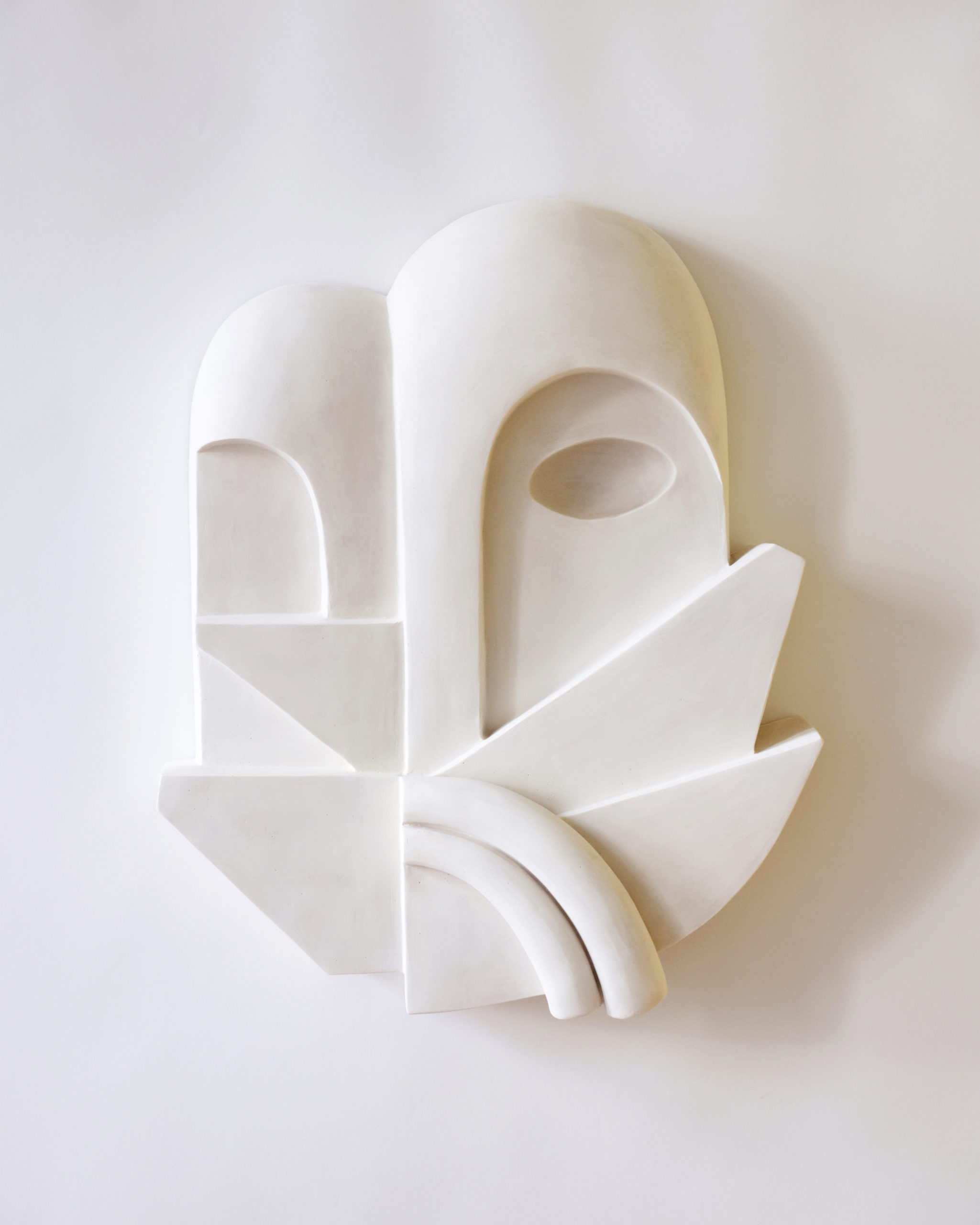
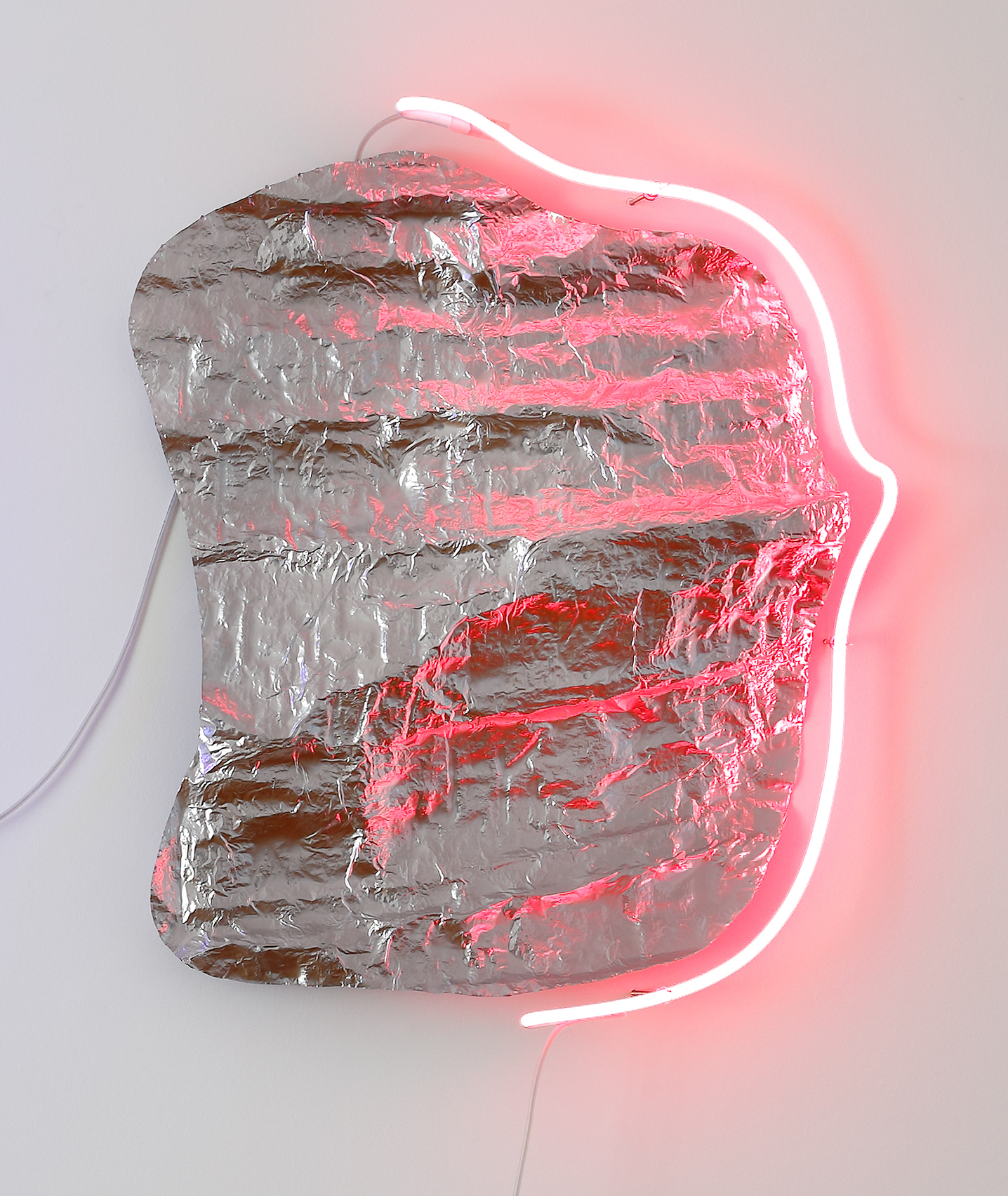
At the intersection of architecture and landscape, Franck Miltgen interrogates materiality and the traces of time: his surfaces, inscribed with history, ecology, and culture, elevate ornament beyond mere decoration to become a bearer of collective memory, exposing tensions between creation and destruction, and between nature and culture in the age of the Anthropocene.
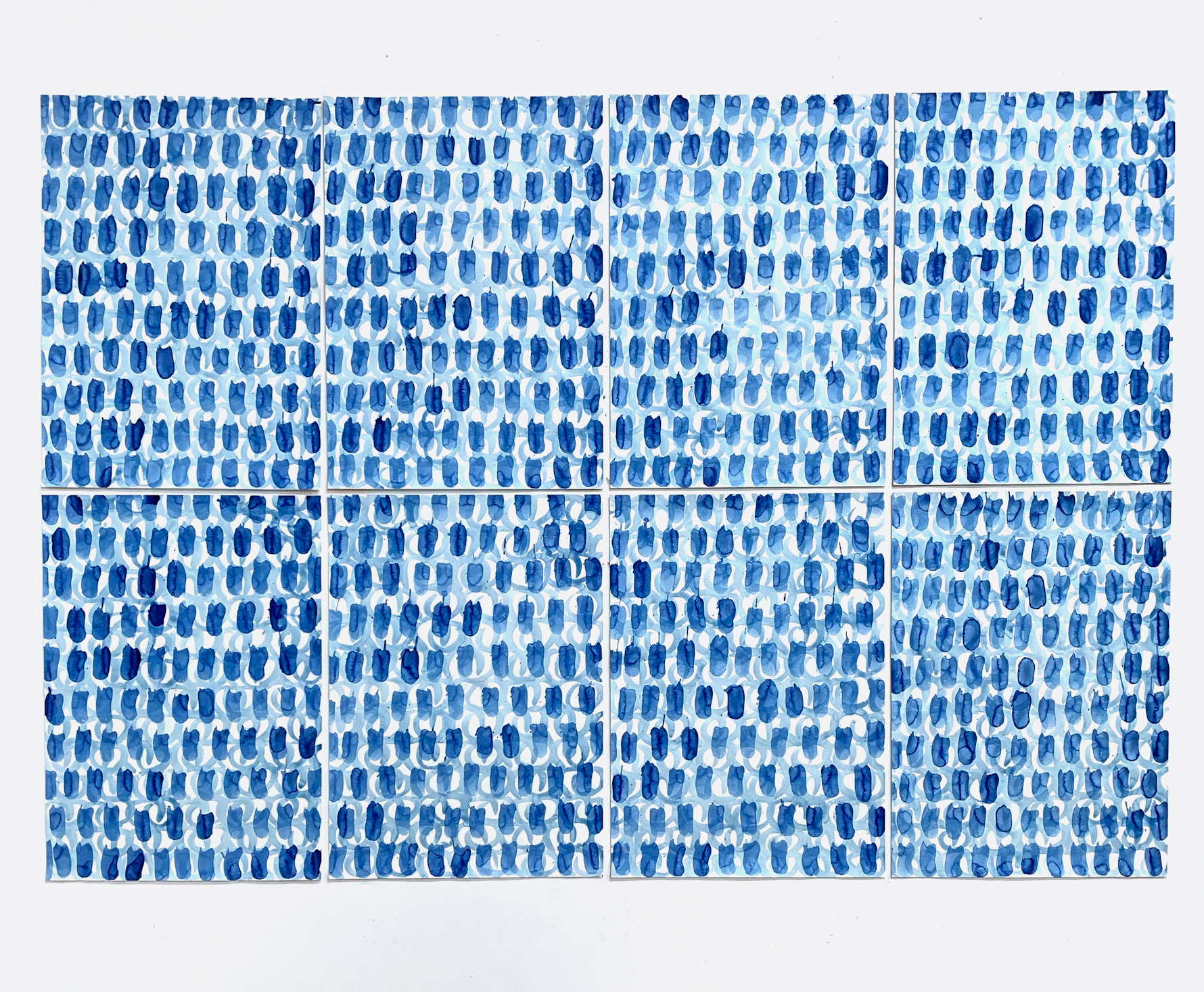
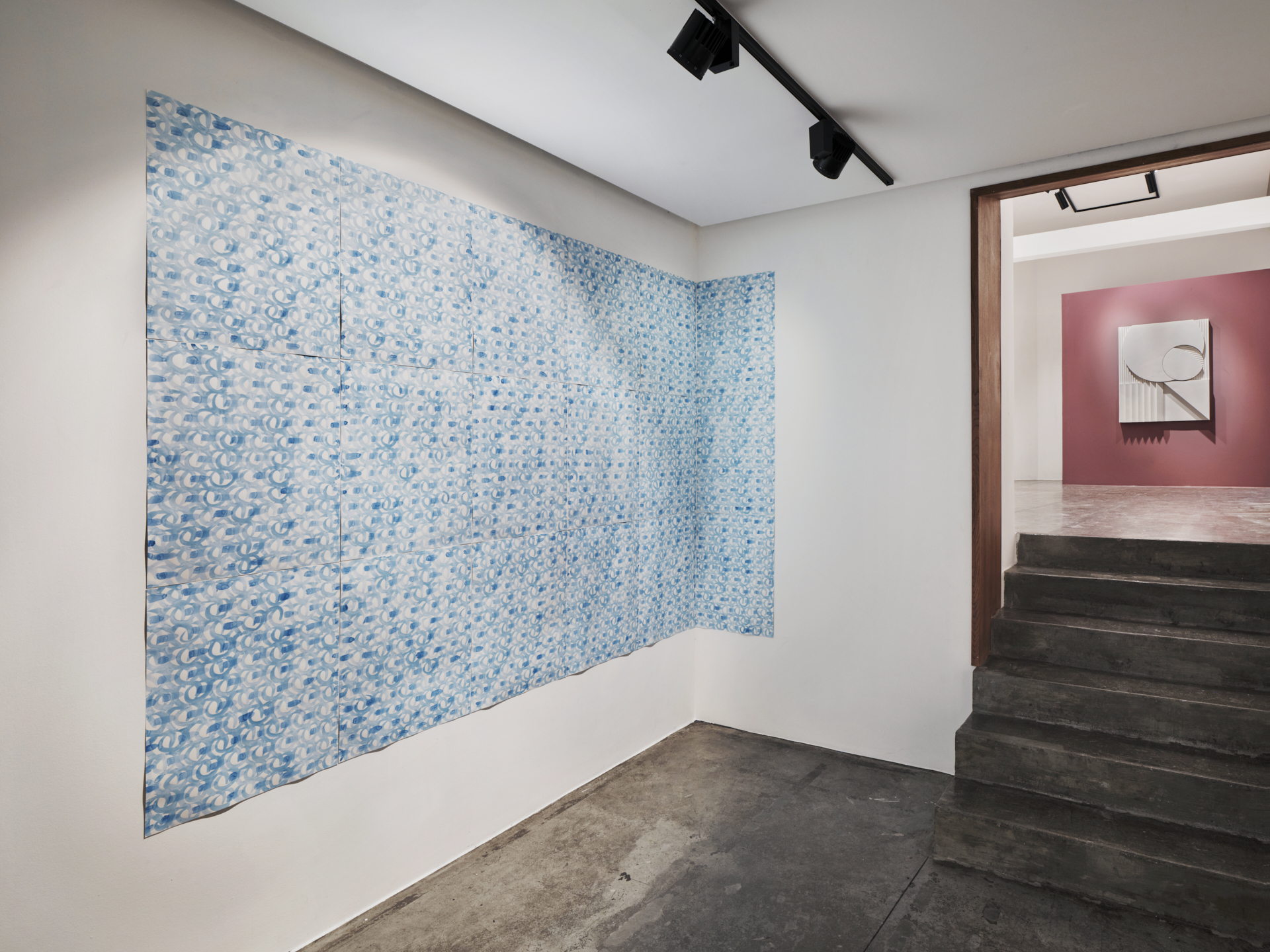
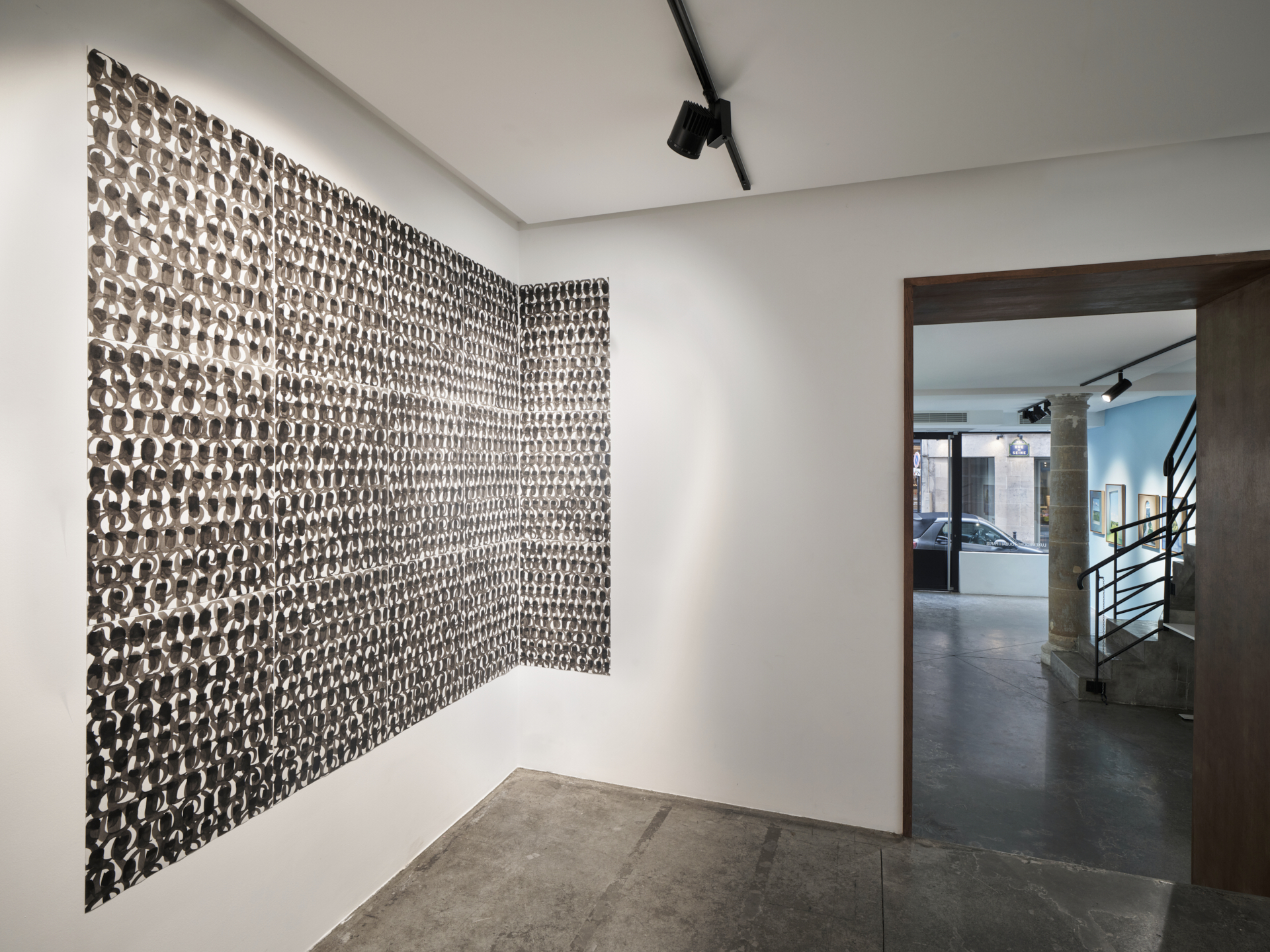
Finally, Luc Wolff constructs visual structures oscillating between frieze and tapestry through the systematic repetition of motifs and the use of series. His watercolors and inks, ranging from vibrant polychromy to hushed monochrome, establish a meditative temporality in which repetition suspends the gaze and transforms the surface into a space of perception.
By bringing together these four singular voices, Zidoun-Bossuyt Paris offers a sensitive cartography where memory, imagination, and materiality converge, inviting visitors to rediscover space as a living and shared experience.
